Ganghwa

Ganghwado (江華島) is the biggest island of the Ganghwa country (red) which is a part of the Incheon municipality (yellow). Previously I visited some parts of Incheon, including Yeongjongdo and Songdo. With area of 303 sq km, it is the 4th (among 3215) biggest island in South Korea. The population of the island is 65,000 people.

Ganghwado has a rich history, through thousands of years, carrying to us evidence of Korean culture. There are about 150 dolmen, a type of single-chamber megalithic tomb usually consisting of two or more vertical megaliths supporting a large flat horizontal capstone or “table” ( the word dolmen is supposedly derived from a Breton language term meaning stone table).

The landscape here is flat making it exceptional because usually huge mountains showing up from everywhere, but here, the mountains are far away and hidden in the fog, making the whole picture like that of Ukrainian forest-steppe. I suppose these are the houses of the people who built dolmen.

Here is a dolmen, and a brain exploding theory about how could it be possible. The stones are really huge, but maybe these are light? Maybe, kimchi gives you power!

I am not sure about kimchi, but there are few plants associating exclusively with the island, for example, Ganghwa turnip, or yellow sweet potato. I must come back and try it.

The island is located close to the border to North Korea, the closest distance is 1.8 km. There is an observatory, Peace Observatory of Ganghwa, where one can observe North Korea. This, in general, seems strange to me, spying people like they are animals in a zoo.

The day I went there, the visibility was bad due to fog, so I didn’t see much North Korea.

The third biggest island in Ganghwa country is Seonmodo (43 sq km). The meaning of the islands name 席毛島 remains uncertain for me. I think the character 席 originally meant mat (a tight wicker rug made of straw, reeds, bast, etc.); then, this word became designating some places where the mat was lied, for example, a seat near a table (during dinner or a meeting), a place as a position of an officer, a banquet, a sail. The character 毛 means wool or feather. Then, considering two characters combined, 席毛 might mean mat’s wool. Actually, some “lumps of wool” met me near a convenience store. The cats were lying right on the tables and thinking “Why are you staring at me, I’m just sleeping here”.

One of the main attractions on Seonmodo is Bomunsa Temple 普門寺, located on Nakgasan Mountain 洛迦山 (267 m). The mountain is called after the Mount Potalaka (補陀洛伽山 or 普陀洛迦山), the mythical dwelling of the Avalokitesvara, said to exist in the seas south of India. Avalokitesvara, or Guanyin (Chinese tradition), is Buddhist Bodhisattva associated with compassion; another Avalokitesvara I have seen at Geumdangsa temple, Maisan, Jinan.

According to a legend, the Bomunsa Temple was founded in 635, during Silla. Once, a fisherman threw a net into the sea and caught 22 man-shaped rocks at once. The man was disappointed by the catch, he just threw the rocks into the sea. Then the man threw the net again, and the same rocks were caught, the man threw them into the sea again. After that, the man just went back home. That night, an old monk appeared in the man’s dream and said, that the rocks he caught are pieces of precious Buddha statue sent from the Kingdom of Heaven. The monk rebuked the fisherman that he threw the rocks in the sea, and begged him to bring the rocks to the sacred mountain tomorrow. The next day, the man picked up and moved the 22 (23) rocks to Nakgasan Mountain, as the old monk begged in the dream. When the man reached the Bomunsa Cave, the rocks suddenly became heavy and he could not move them anymore. Thus, the man thought that this is a spiritual place to enshrine Buddha.

Wabuljeon (臥佛殿), reclining Buddha, is an image that represents Buddha lying down. It represents the historical Buddha during his last illness, about to enter the parinirvana. The construction of this statue had begun in 1980 and was completed in 2009, the statue is 13.5 m in length and 2 m in height***.

The next destination is Ganghwa Jeonghab Resort, land luge track. Winding tracks lie on the hillside of the Gilsangsan mountain. Once you go up by a cable car, you can choose a track with different difficulty level to go down on a car. I am not used to the extreme, so, I was sliding down quite slowly comparing to other drivers who almost flew past me. I have tried two tracks and it was an exciting experience!

The next destination is Jeondeungsa (傳燈寺) temple. Jeondeng 傳燈 literally means to pass a lantern, which can be interpreted as to pass on the light of Buddha, or to pass the doctrinal torch from master to disciple. The temple proves the accordance of this name by an offer of Templestay programs for visitors to experience Buddhist culture. Even I got a chance to feel the culture, I was kindly invited to join a group of visitors to ring a bell during the evening mass.

It is believed that the temple was founded in 381, by a Buddist monk Ado (阿道) from Eastern Jin, who introduced Buddhism to Goguryeo. If it is true, then Jeondeungsa temple is the oldest temple in Korean Penisula.

Nearby the window of the temple, there is a poem written by a Chinese poet, musician, painter, and politician during the Tang dynasty, Wang Wei (王維, 699–759). It is hard for me to define the form of the calligraphy, because it differs from the small seal script (220 BC), at the same time, some of the characters have calligraphy similar to the calligraphy of Han Dynasty 漢隸, “無極山碑” (202 BC ~ 220 AD) and other are similar to the calligraphy of Qin State 秦系简牍文字 (897-206 BC). And again, just same as in the case with Deng Shiru 鄧石如 poem written in small seal script, the calligraphy style is much older than the common one used during the poet life (regular scrip). Nevertheless, with the help of the Internet, the characters were defined:

山河天眼裡 世界法身中

the homeland (mountains and rivers) in heaven’s gaze (heavenly eye), the world in Dharmakaya (one of the three bodies of Buddha).

One notable feature about the temple is a number of quite old trees. Some of them are 300, 400 or even 700 years old. Many generations of people were taking care of the trees to let us to feel the power of nature and reflect on fleeting human life.

It was a big trip around Ganghwa!

Songdo International City

          I have visited the Chinatown, Wolmido island and City Museum in Incheon. My next destination is Central Park in Songdo International City.

IMG_4054_InPixio

          Songdo International Business District is a smart city, i.e. computers are built into the buildings and streets, special sensors gather information on things like traffic flow and energy use and so on. The city development project cost in excess of $40 billion, making it one of the most expensive development projects ever undertaken. By 2025, the 102 Incheon Tower to be built, it will become the tallest twin towers in the world. As of 2018, the population of Songdo exceeds 100,000 people. Along with Yeongjong and Cheongna, it is part of the Incheon Free Economic Zone.

          Songdo Central Park. The plan of the park was inspired by New York City’s Central Park.

IMG_4049

          A yawning man on the bridge.

IMG_4074_InPixioIMG_4071

          This neo-futuristic metallic building is a Tri-Bowl, it is a multi-complex culture and art centre built to seem as if it is floating on water.

IMG_4100_InPixio

          A view on the city through the Tri-Bowl arc.

IMG_4128_InPixio

          In the front view, the buildings look crooked.

          Sculptures of different styles can be seen in the futuristic park, however, they naturally suit the environment.

IMG_4144

          Northeast Asia Trade Tower, South Korea 4th tallest building with a height of 305 meters, 68 floors. And me, drinking a beer there.

IMG_4157_InPixio

          And now I am heading to the last destination in Incheon.

          The Incheon Bridge, with 21.38 kilometres length is it the longest spanning cable-stayed bridge in South Korea and 10th in the world.

IMG_4168_InPixio

          The bridge connects the mainland with an interesting place you can see on the map below. From 1992 to 1994, 4 islands were connected to provide space for the Incheon airport. The new-formed place is called Yeongjongdo. Even it is a whole part of the land, the islands are meant to be islands, so you can travel from one island do another by land, sounds fantastic if you are not familiar with the situation.

IMG_4172

          Seems it is a new bridge, so the info wasn’t uploaded yet, the car is in the water.

IMG_4175_InPixio

          So, I am coming for dinner on the seaside!

IMG_4182

          Seafood on the seaside! Just look at that huge shell. I have never seen such a big shell. The clams are cooked immediately in the stove.

          It was Incheon and only one day. I hope I can move on and complete review of all the places I have visited in South Korea if I have enough free space on the WordPress, 12% is occupied already.

Incheon. City Museum

I have already visited the Chinatown, seaside on the Wolmido island. The next point is the Incheon Metropolitan City Museum!

Nearby the museum, there’s the Memorial Hall for Incheon Landing Operation.IMG_3883_InPixio

         Huge bas-reliefs, powerful walls seemed right now growing up from the ground to make reliable protection; all this convey the tense atmosphere of the landing operation days.

IMG_3929IMG_3933IMG_3937

IMG_3925_InPixioIMG_3936IMG_3928_InPixio

The flags of South Korea allies in the Korean war: Australia, Belgium, Canada, Colombia, Ethiopia, France, Greece, the Netherlands. IMG_3900

A view from the memorial. The city is beneath.

IMG_3951_InPixio.jpg

         Time for a break. It is very hot outside, but almost anywhere inside there’s a conditioner. This is an icecream with beans. For me, this combination is quite unusual. Previously, I also found the beans in other desserts too, in different types of cookies. And I even don’t know what is stranger, to eat the icecream, or that what I am going to eat after visiting the museum…

         The museum does not belong to a special category, so here all the things related to the city are collected, wether it is history documents or art objects.

         Pottery. Pottery of the Neolith age, 11-12th century, and today.

         This fish doesn’t seem to feel well because its eye is out of the head. The painting style makes this fish 3D-like.

IMG_3988IMG_3989

Wouldn’t you want to have a dragon for dinner?IMG_3990

IMG_3984

         Incheon Myeong liquor bottles. In the early 1920s, there were 21 breweries, including 7 Japanese and 14 Korean.


IMG_4006


Beer bottles of the 1920s, and a postcard with lady beer.

IMG_4005

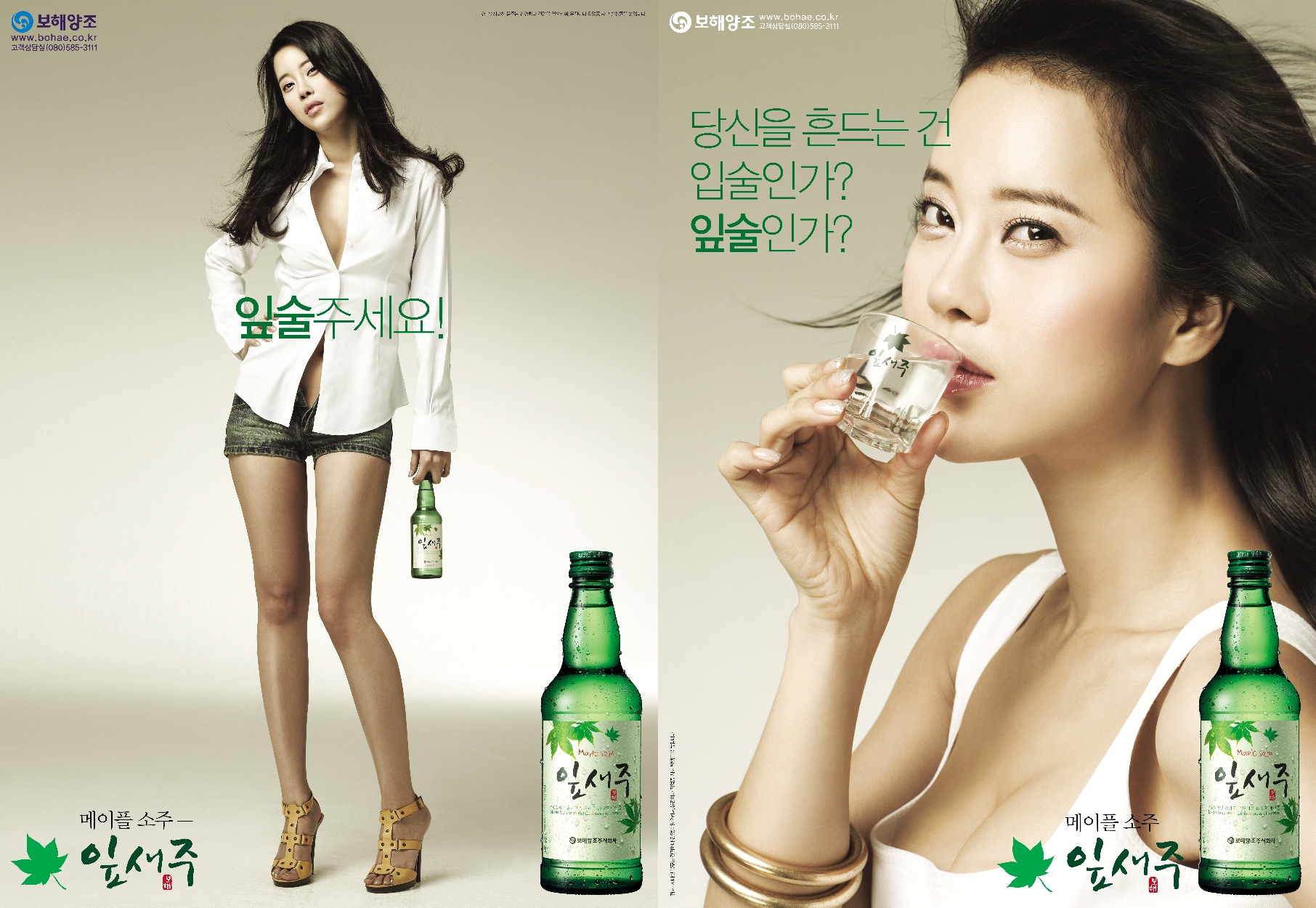
         The century passed, but nothing has changed, Korean ladies still advertise beer or soju.

Картинки по запросу soju lady

Cigarets, coffee and sugar products.


         Stereoscope – a device to view photos in 3D, it was popular from the 1850s to the 1930s as a home entertainment medium.

IMG_3969

         Famous people from Incheon.

IMG_4008

         An epitaph (a text honouring a deceased person) from 1474 and Ganghwaji reports of 1690.

         Ganghwaji was an artist from Incheon (1653 ~ 1733). These books focus on the defence strategy of Ganghwa Island. It contains information on politics, economy, history, geography, and society.

         And this a text which made me crazy, so, I am going to write the whole blog about the translation!

IMG_4015

Some more items. You can see the diversity of the items collected here.

          A food-street next to the museum. I can feel a musky aroma. A poison is boiling in a vat… So, what is that?

IMG_4026

          Silkworm larva! It is called beondegi. First it like a raisin, tough outer skin and something flabby inside, a distinct musky amora, slightly bitter. When it pops, the inner part seems like chicken meat. In general, it is not bad. Only musky taste is unusual, cockroaches must taste the same.

That’s not all about the Incheon…

Incheon. Seaside

           I love this green colour;  crazily bright sunshine and the special structure of the leaves and branches splash acid-green paints on the photo.

IMG_3734_InPixio

           The next spot in Incheon after the Chinatown is a seaside on the Wolmido island.

           The first thing attracting attention on the way to the seaside is the monorail, Wolmido monorail. That time it was still under construction, but three days ago, on the 8th of October, it was opened! The wriggling rail naturally enters the space, making the environment futuristic-like, the one you could see in fancy movies of the previous century. The monorail goes by the red route, I walked along the yellow line.

wolmido

           Still walking to the seaside. Funny painted wall, and the contrast, the small old-fashion building in the front and new huge buildings on the background.

IMG_3754_InPixioIMG_3755_InPixioIMG_3782_InPixioIMG_3842_InPixio

           The monorail lays all along the seaside. Many cafes, restaurants and entertainment place all way along the beach. I remember my friend said, “The speaked calls for people to come to see Ukrainian girls”. Seems this place is hot not during the but, but at night too.

           All along the way, there’re many photo zones, benches with a different design, springs, small squares, piers. The sunshine was really crazy, I even couldn’t open my eyes, it hurt.

           Many creative features seemed to be simple, but those make the walk unusual. The animals look realistic, but the point is they shouldn’t suit the environment, pigs and deers dong go to the beach, and penguins don’t live in South Korea, this fact makes the statues attractive and funny for me.

IMG_3764IMG_3802_InPixioIMG_3806_InPixio

           The Yellow Sea. An interesting fact, the Yellow Sea is one of four seas named after common colour terms — the others being the Black Sea, the Red Sea and the White Sea. The Yellow Sea is considered among the most degraded marine areas on earth caused by the rapid coastal development for agriculture, aquaculture and industrial development. I couldn’t say this sea is good for swimming. I visited few beaches of the Yellow Sea in South Korea, sometimes there’s rubbish in the water, but worse is that the concentration of the plankton is too high, what I mean, it is like miso soup.

           In Korea, I saw what the ebb is. Before, I visited the Black Sea in Ukraine, but the water level change isn’t that impressive. Here, it is obvious, maybe due to the shallow bottom; someone is fishing there.

IMG_3799_InPixio

           A stone with lyrics of Korean song 이별의 인천항 – Incheon Port of Farewell.

IMG_3856

           A monument dedicated to 인천 상륙 작전 the Battle of Inchon (September 1950) in the Korean War. This battle is considered one of the most famous battles of the war that changed its course, as well as one of the most glorious pages in the history of the US Marine Corps. Western researchers consider the landing in Incheon one of the most successful naval landings in military history. During 10 days, about 1500 soldiers were killed from both sides.

IMG_3845

IMG_3870_InPixio

           Halmoni waiting for you!

IMG_3879

Before I was thinking about agriculture in Ukraine and Korea, this photo means too much. Eggplants on an alley surrounding trees. Lack of land can’t stop you. IMG_3739


Incheon

          Incheon is the 3rd biggest city in South Korea with a population of 3 million people. It was founded as Michuhol in the 18 BC, and the current name was turned to Incheon in 1413. So, the city is 2000 years old!

          Nowadays the city is famous for its airport which is the primary airport in South Korea. In 2015 it was the world’s 22nd busiest airport by passenger traffic, with 49,4 million passengers.

Also, it is the 2nd largest seaport in South Korea.

          Dongducheon city (blue on the map) starting from Soyosan station is connected with Incheon city (red) by the blue metro line, line #1, 200 km length and 92 stations (including sublines), what makes it the longest or one of the longest lines in the world. Believe me, it is such a torture to go for 1.5 hours one way, half-line – about 48 stations – a trip to the Toilet Museum.           I have been to the airport, but not in the city, the city must be explored! The exploration started from the Chinatown of Incheon.

         Incheon. Chinatown. Street views. 

          Incheon Chinatown is the only official Chinatown in South Korea, and suppose to be the biggest one, it was formed in 1884. China–Korea Treaty of 1882 and the opening of the Incheon seaport provoked the formation of the Chinatown. Started from 63 Chinese in 1884, there’re about 50000 Chinese in Incheon by 2015.

          The entrance gate to the Chinatown.

          Here I can see modified Chinese culture, an adapted Chinatown in Korea, so, there’s no need to travel to China.

         Two lions meet me next to the stair leading up to the hill. I let one drink sweet coffee to let me pass. Chinese guard lions have traditionally stood in front of Chinese Imperial palaces, Imperial tombs, government offices, temples, and the homes of government officials and the wealthy, and were believed to have powerful mythic protective benefits. Pairs of guardian lion statues are still common decorative and symbolic elements at the entrances to restaurants, hotels, supermarkets and other structures, with one sitting on each side of the entrance, in China and in other places around the world where the Chinese people have immigrated and settled, especially in local Chinatowns.


            Each part on the stair hides ornaments and attributes of various oriental styles which harmonically coexist here.

           I bet all the old people of my generation loved the cartoon about Jacky Chan and talismans, even now I remember how crazy I was about waiting for the new episodes or new seasons. The next stage on the stair let me feel closer to the world of the cartoon. By the way, many Ukrainians care about Chinese zodiac. I am a Rooster.


          The gate on the way to the hill. The up-high view on the area of the Chinatown up to the sea opens here.

           And here are some views of the Chinatown influenced by modern life.  

           And the most delicious part of the trip to the Chinatown… A famous Chinese restaurant here. I have even heard some people speaking a kind of Chinese.

          Snacks usually served in Korean restaurants. That must be a Korean influence of the restaurant. Onion and the turnip (I mentioned it when I was talking about the shop). Unknows black sauce. The onion isn’t spicy, I think it was stored in water for some time so the taste has changed.


          So, here we have the onions and the same black sauce, maybe shrimps? So you take it and…

This slideshow requires JavaScript.


          My face is very happy because I like to eat noodles.

          Elegant vases near the exit of the restaurant. Me feeling like a vase with the free coffee in my hands.

IMG_3657_InPixio

Frozen strawberry covered with caramel, bingtanghulu. It is is a traditional Northern Chinese snack of candied.  It is good to eat in the hot days, but one should hurry up, it is melting quickly.

I remember a middle-eastern seller who loudly asked children in Korean, “Hey, children, why don’t you buy some food?

And all the children in one voice loudly and slowly replied, “We don’t have money today!”

This slideshow requires JavaScript.

           There’s Jayu (Freedom) Park on the hill I mentioned before. Such an interesting story! It was designed by Ukrainian architect Afanasy Seredin-Sabatin. He is the first European architect to live and work in the Korean Empire.

           The park was opened in 1889, for the residents of foreign settlements in Incheon. During the Japanese colonial period, it was called West Park, and after liberation, it was called Mankuk Park. There’re few facilities in the park, including 100th Anniversary Memorial of Korea-US Diplomatic Relations (below).

IMG_3598IMG_3631


The park is a great place for taking some photos.

This slideshow requires JavaScript.

So, that’s all about the Chinatown, let’s go to the next point!

IMG_3691_InPixio